Winter storms don’t just bring snow and ice — they place electrical systems under extreme and prolonged stress.
In cold regions like Maryland and the DC Metro area, increased heater usage, reliance on extension cords, moisture intrusion, and grid instability can quietly turn minor electrical weaknesses into serious safety hazards.
Winter storms don’t just bring snow and ice — they place electrical systems under extreme and prolonged stress.
In cold regions like Maryland and the DC Metro area, increased heater usage, reliance on extension cords, moisture intrusion, and grid instability can quietly turn minor electrical weaknesses into serious safety hazards.
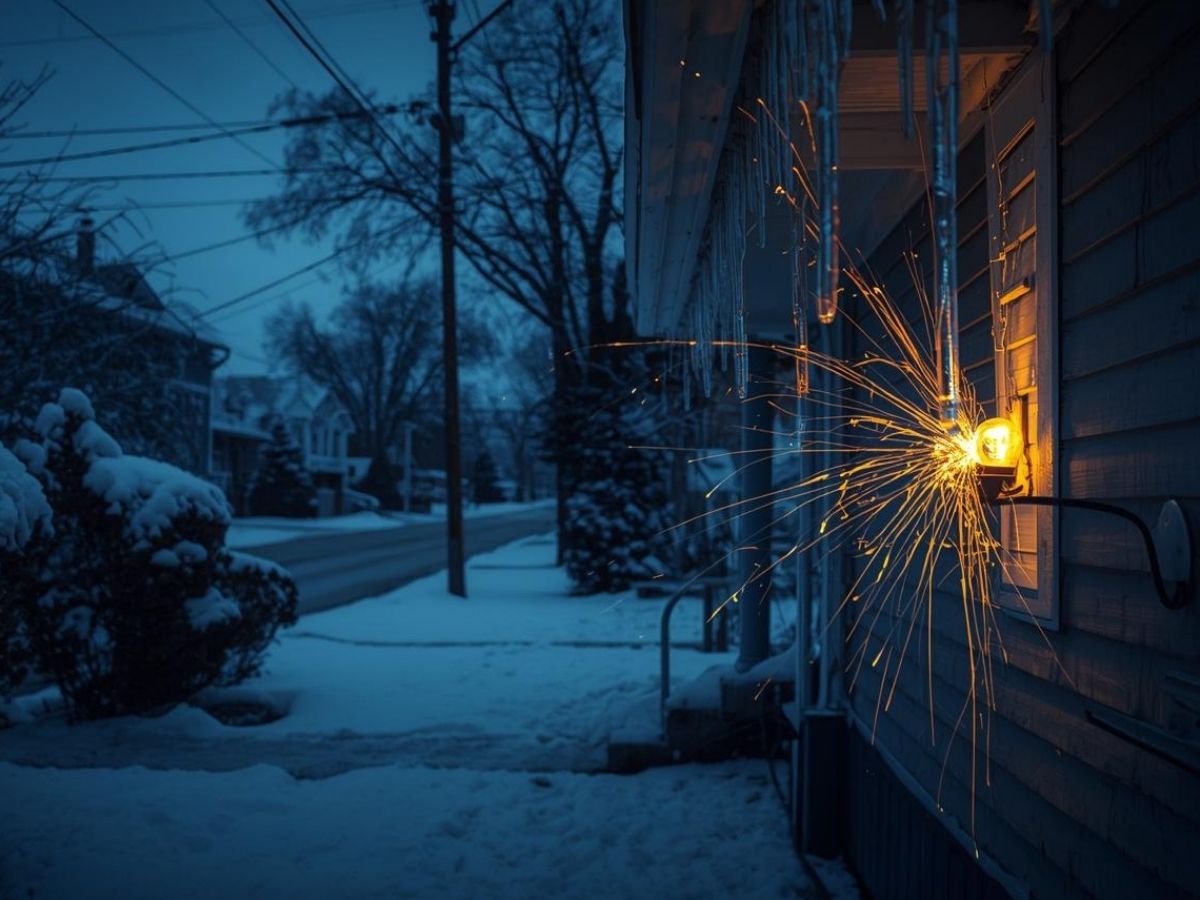
Understanding these risks early is the difference between staying powered — and facing outages, fires, or costly damage.
Why Winter Is the Most Dangerous Season for Electrical Systems
Winter places unique demands on electrical infrastructure:
- Increased use of space heaters and heating equipment
- Longer operating hours for electrical systems
- Snow and ice melt introducing moisture into outlets and panels
- Power fluctuations and outages during winter storms
These conditions expose wiring, panels, and connections that may appear “fine” during warmer months — until winter pushes them past safe limits.
Why Winter Is the Time to Call a Licensed Electrician
Cold weather does not create electrical problems — it reveals them.
Circuits that function normally in summer may already be operating near failure thresholds once heaters, extension cords, and backup equipment are added. A licensed electrician is trained to:
- Identify overloaded circuits before failure occurs
- Detect moisture intrusion and corrosion early
- Verify heater and extension cord usage is code-compliant
- Reduce fire risk and prevent unplanned outages
Waiting until a failure occurs often results in emergency service, higher costs, and unnecessary damage.
The Real Cost of Winter Electrical Failures
Impact on Homes
- Heating-related electrical failures account for a significant portion of winter residential fires.
- Electrical fire damage often ranges from $10,000 to $30,000, excluding relocation costs or insurance increases.
- Power outages during extreme cold frequently cause secondary damage such as frozen pipes, spoiled food, and appliance failure.
Impact on Businesses
- Even a single unplanned outage can cost $8,000–$15,000 per day for small businesses.
- Larger facilities may face losses exceeding $50,000 per hour, depending on operations.
- Retail, healthcare, churches, and office environments are especially vulnerable due to:
- POS system failures
- Security and surveillance downtime
- Emergency lighting non-compliance
- Equipment and data damage
Emergency repairs during winter storms cost significantly more than preventive maintenance.
Extension Cords: A Major Winter Fire Risk
Extension cords are among the most misused electrical devices during winter.
As space heaters, temporary lighting, and seasonal equipment are added, extension cords are often:
- Overloaded beyond their rating
- Run under rugs or furniture
- Used as permanent wiring
- Exposed to moisture near doors, windows, or exterior walls
This creates hidden heat buildup that can lead to arcing, insulation failure, or fire — often inside walls where damage is not visible.
A licensed electrician can assess whether:
- Additional circuits are required
- Dedicated outlets should replace extension cords
- Existing wiring can safely handle winter loads
Commercial Properties Face Higher Winter Risk
Businesses face compounded electrical risks during winter due to:
- Multiple heaters in offices and work areas
- Extension cords used for permanent workstations
- Continuous operation of POS systems, refrigeration, and security
- Emergency lighting and exit systems requiring compliance
A single winter electrical failure can result in lost revenue, safety violations, and operational shutdowns.
Winter Electrical Safety Best Practices
✔ Avoid plugging heaters into extension cords or power strips
✔ Keep electrical panels dry, clear, and accessible
✔ Inspect outdoor outlets, signage, and lighting
✔ Use only approved, weather-rated equipment
✔ Never attempt DIY electrical repairs during extreme cold
✔ Schedule a professional inspection before or during winter season
Preventive inspections cost far less than emergency repairs — and protect lives, property, and continuity.
Schedule a Winter Electrical Risk Assessment
Most winter electrical emergencies are preventable.
A Winter Electrical Risk Assessment performed by a licensed electrician helps identify:
- Overloaded circuits
- Unsafe extension cord usage
- Moisture-related damage
- Heater and panel capacity issues
- Compliance and safety concerns
Preventive inspections typically cost hundreds — emergency repairs often cost thousands.
Call to Schedule Your Winter Electrical Risk Assessment:
Licensed & Insured Electrical Contractor
443-902-9513
www.principlepowersolutions.com
Serving Baltimore, Annapolis, PG, Montgomery, Charles, Anne Arundel, Howard & Harford Counties
Stay Safe. Stay Powered. Stay Ahead of Winter.
Winter doesn’t wait — and electrical failures don’t give warnings.
If your home or business hasn’t been evaluated this season, now is the time to act. Proactive inspection by a licensed electrician reduces fire risk, prevents outages, and protects both people and property.
The safest electrical system is the one inspected before it fails.